Mission Critical Projects: Avoid Freelancer Risks!
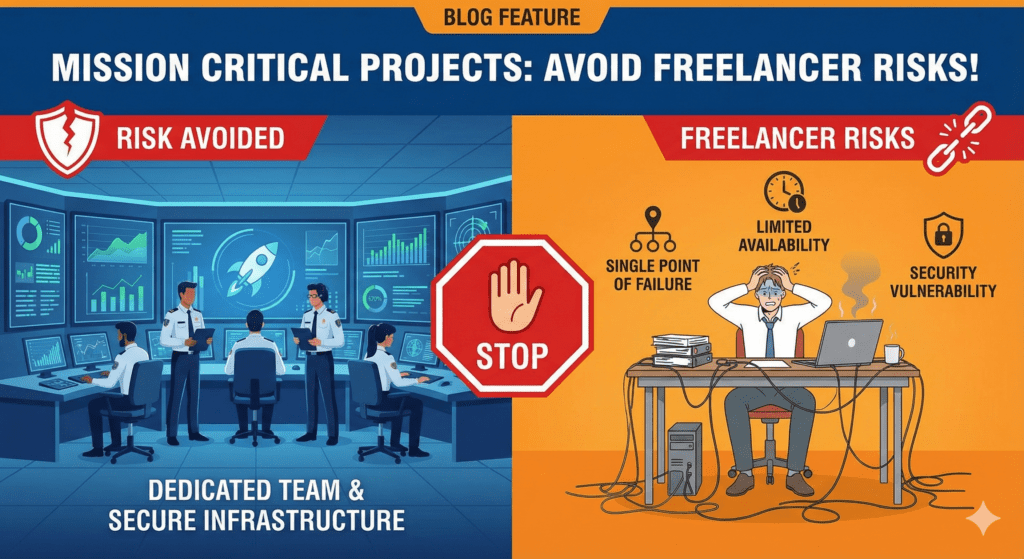
Why Mission-Critical Projects Should Never Be Given to Freelancers
When it comes to mission critical projects, the stakes are exceptionally high. These are the projects that directly impact the bottom line, reputation, and overall success of your organization. Therefore, trusting these vital initiatives to freelancers, while tempting due to perceived cost savings, can introduce significant and often unforeseen risks.
The Allure of Freelancers: A Mirage of Savings
Freelancers offer undeniable advantages, such as specialized skills and flexible availability. They can appear to be a cost-effective solution compared to maintaining a full-time, in-house team. However, this initial cost advantage often masks the potential for much greater expense and problems down the line, especially for mission critical projects.
In many cases, the perceived savings are quickly eroded by communication barriers, integration challenges, and lack of accountability.
Increased Risk: A Recipe for Disaster
Freelancers operate outside of your established organizational structure and control. This inherent lack of integration amplifies project risk in several ways.
Lack of Direct Oversight
With freelancers, you sacrifice direct oversight. You’re relying on their self-direction and commitment, which can vary significantly. Micromanaging them defeats the purpose of hiring a freelancer, but a hands-off approach can lead to deviations from project goals and timelines, especially on sensitive mission critical projects.
Communication Barriers
Communication gaps are a common challenge when working with freelancers. Different time zones, language barriers, and varying communication styles can lead to misunderstandings and delays. These delays can quickly escalate into costly setbacks.
Security Concerns
Freelancers, particularly those working remotely, may not adhere to the same stringent security protocols as your in-house team. This can expose your sensitive data and intellectual property to unnecessary risks. Data breaches can be extremely damaging to mission critical projects and your organization’s reputation.
The In-House Advantage: Stability and Control
In contrast to the inherent risks of using freelancers, an in-house team provides stability, control, and a deep understanding of your organization’s goals and values.
- Dedicated Focus: In-house teams are fully dedicated to your projects and are accountable for their success.
- Seamless Integration: They are already integrated into your company’s systems and processes, ensuring smoother workflows.
- Stronger Communication: Face-to-face communication fosters collaboration and reduces the risk of misunderstandings.
- Enhanced Security: In-house teams are subject to your company’s security policies, minimizing the risk of data breaches.
When Freelancers Might Be Appropriate
While generally not recommended for mission critical projects, freelancers can be useful for specific, non-core tasks that require specialized skills or temporary support. Examples include:
- Designing marketing materials
- Conducting market research
- Providing technical writing services
However, even in these cases, it’s important to thoroughly vet the freelancer and establish clear expectations and guidelines.
Prioritize Security & Success
Ultimately, the decision of whether to use freelancers for a project depends on the project’s importance and risk tolerance. For mission critical projects where the stakes are high and the potential consequences of failure are severe, investing in an in-house team is a far more prudent and reliable approach. You’ll gain peace of mind knowing your project is in capable hands, secured by your organization’s existing protocols and dedicated to the success of your company.
FAQs About Mission Critical Projects
Here are some frequently asked questions regarding mission critical projects and using freelancers:
Ready to ensure the success of your critical projects? Contact us today for a consultation and discover how our in-house team can provide the expertise and dedication you need. Don’t gamble with your future – choose stability and control! Cheap Freelancers: Why They Cost You More Later Complex Dev Projects: Why Not Freelancers? | Expert Insights
