
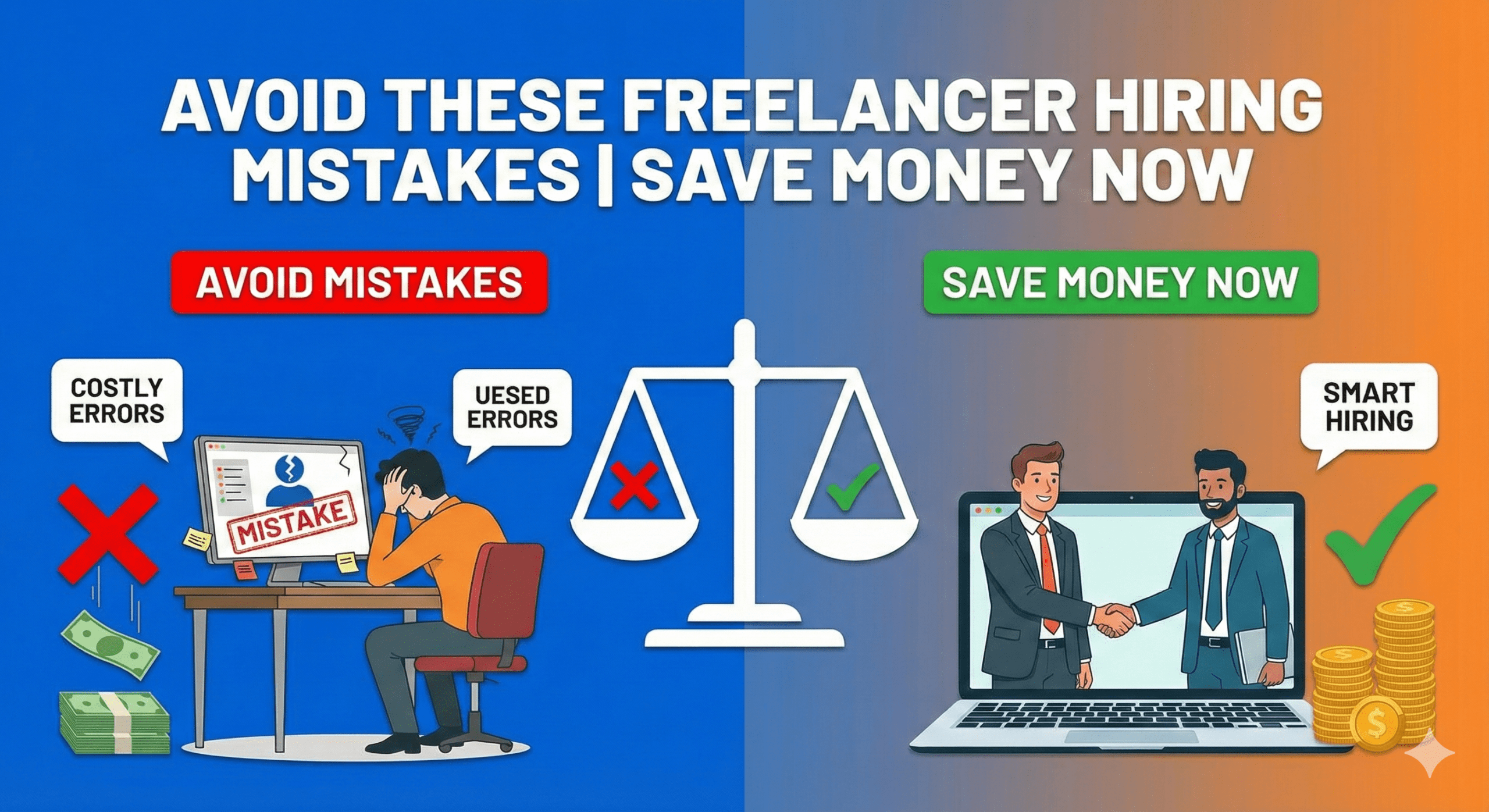
Freelancer Hiring Mistakes That Cost Businesses Time & Money
Many businesses are turning to freelancers to fill skill gaps and manage projects efficiently. However, freelancer hiring mistakes can quickly drain your budget and derail your timelines. Understanding these common pitfalls is the first step toward building a successful freelance workforce.
Neglecting to Define Clear Project Scope
A vague project scope is a recipe for disaster. When you don’t clearly define deliverables, timelines, and expectations, you open the door for miscommunication and unmet objectives. Therefore, define your project scope thoroughly before engaging with any freelancer.
- Outline all tasks involved.
- Establish realistic deadlines.
- Specify required skill sets.
Skipping the Screening Process
Rushing into a hire without proper vetting can lead to significant problems. A poorly screened freelancer might lack the necessary skills or commitment, costing you time and resources. To prevent this, thoroughly review freelancer profiles and portfolios.
Thoroughly Reviewing Portfolios
Look for relevant experience and demonstrable skills. Don’t just take their word for it; verify their past work and look for tangible results. For instance, ask specific questions about projects in their portfolio during the interview.
Ignoring Communication Skills
Effective communication is crucial for successful collaboration. If a freelancer struggles to communicate clearly and respond promptly, the project is likely to face delays and misunderstandings. Assess their communication style during the interview process. Look for active listening, clear articulation, and a proactive approach to updates.
Failing to Agree on Payment Terms Upfront
Disagreements about payment can quickly sour the relationship with a freelancer. Clearly define the payment structure, milestones, and payment schedule before starting the project. A written contract that details these terms will protect both parties and minimize potential disputes. Furthermore, consider using escrow services for added security.
Not Providing Adequate Onboarding
Even experienced freelancers need some level of onboarding to understand your company’s processes and expectations. Neglecting this step can lead to confusion and errors. Therefore, provide a clear introduction to your team, workflows, and project management tools.
Lack of Regular Feedback and Communication
Once the freelancer is working on the project, consistent feedback and open communication are paramount. Don’t wait until the end of the project to address concerns; provide regular updates and constructive criticism to keep the project on track. Use project management tools for easier collaboration.
Ignoring Reviews and References
Before hiring, check online reviews and ask for references. Past clients can provide valuable insights into a freelancer’s work ethic, reliability, and communication skills. Don’t dismiss negative reviews; consider them as potential red flags. For example, explore websites like Upwork or Clutch for verified reviews.
Conclusion: Avoid Costly Freelancer Hiring Mistakes and Thrive
Ultimately, avoiding these freelancer hiring mistakes can significantly improve your business outcomes and save you money. By taking a structured and thorough approach to hiring freelancers, you can find the right talent to help you achieve your goals efficiently and effectively.
Ready to find your next top freelancer? [Link to internal “How to Find a Freelancer” blog post, if applicable]
FAQ: Answering Your Questions About Freelancer Hiring
Here are some frequently asked questions about freelancer hiring mistakes: Freelancer Problems? Avoid These Common Pitfalls
Neglecting project scope, skipping screening, and poor communication.
Clearly define project scope, thoroughly screen candidates, and establish clear communication channels.
Clear communication minimizes misunderstandings, prevents delays, and ensures the project aligns with your expectations.
Project scope, deliverables, payment terms, timelines, and termination clauses.
Ask behavioral questions during the interview to assess their communication style, problem-solving skills, and adaptability.
Platforms like Upwork and Clutch offer verified reviews. Also, always ask for references from past clients.
Schedule regular check-ins and provide constructive feedback both positive and negative, focusing on specific examples.