
How Logistics Websites Convert Businesses into Long-Term Clients
In today’s competitive landscape, a robust online presence is crucial for logistics companies. More specifically, well-designed logistics websites are powerful tools for not only attracting potential clients but also converting them into loyal, long-term partnerships. Let’s explore how strategic website design and functionality can make all the difference.
Service Area Pages: Targeting Your Ideal Client Base
One of the first things potential clients look for is whether a logistics company serves their specific geographic area. Service area pages are dedicated sections of your website that outline the regions you cover, highlighting your expertise and capabilities in each area.
These pages should be highly SEO-optimized, including targeted keywords relevant to each location. For instance, “Freight forwarding services in Chicago” or “Trucking solutions in the Southeast.” By tailoring content to specific regions, you significantly increase your website’s visibility in local search results, attracting businesses actively seeking logistics solutions in those areas. This targeted approach is a proven method for acquiring logistics clients.
[Internal Link: Consider linking to a “Case Studies” page from your service area pages, showcasing successful projects in each region.]
Instant Quote Forms: Capturing Leads Immediately
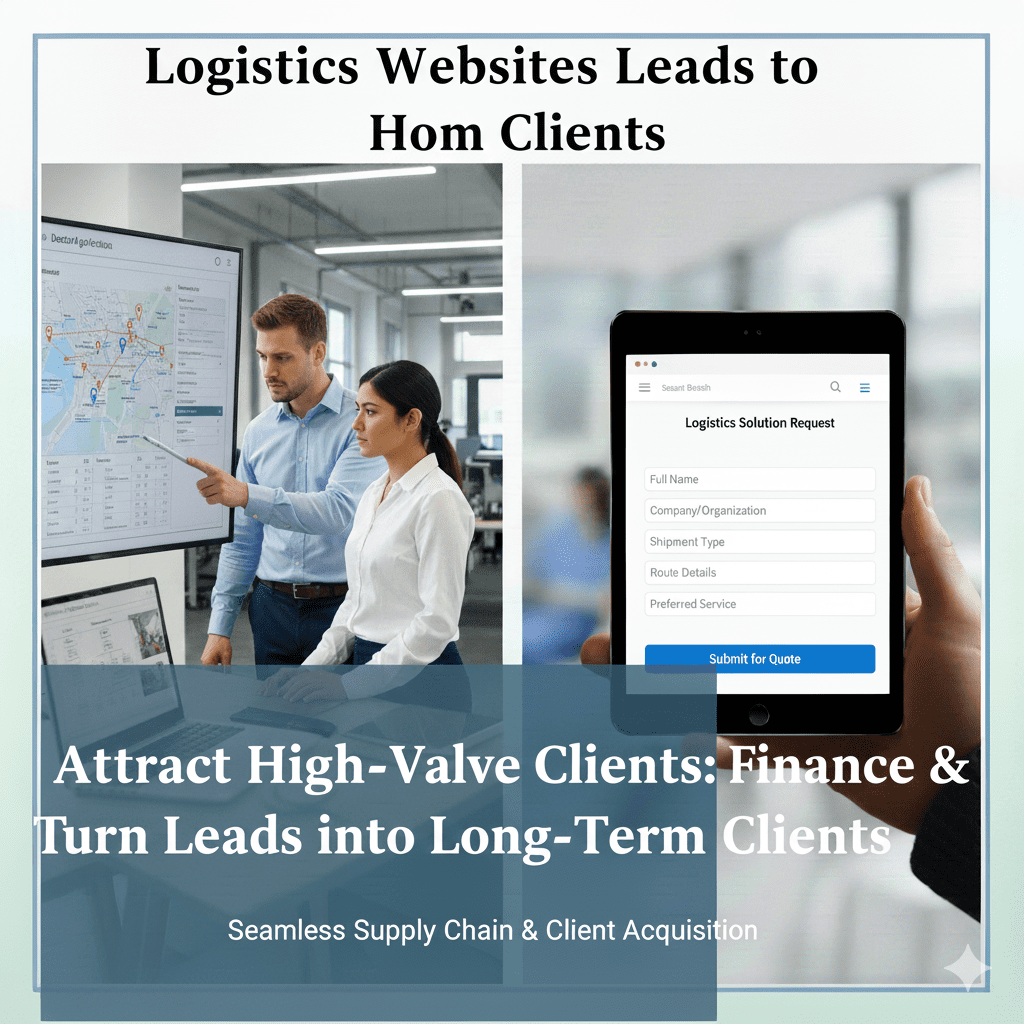
In the fast-paced world of logistics, speed is of the essence. Providing an instant quote form on your website allows potential clients to quickly and easily obtain pricing information for their specific needs. This level of convenience demonstrates responsiveness and efficiency, immediately setting you apart from competitors.
The form should be user-friendly, requiring only essential information to generate an accurate estimate. Capturing this data not only provides the client with a quote but also allows you to collect valuable lead information for future follow-up. This proactive approach can significantly improve your lead conversion rates, ultimately leading to more logistics clients.
Tracking and Transparency: Building Trust and Reliability
Transparency is paramount in building trust with clients. Integrating real-time shipment tracking into your logistics websites provides clients with complete visibility into the location and status of their goods. This level of transparency fosters confidence and reduces anxiety, especially for businesses relying on timely deliveries.
Furthermore, a well-designed tracking system enhances the overall client experience, improving satisfaction and loyalty. This feature demonstrates a commitment to providing reliable and efficient service, solidifying your position as a trusted logistics partner.
[Internal Link: Link your tracking page to a “Customer Testimonials” page to further build trust and credibility.]
B2B Lead Funnels: Nurturing Prospects into Customers
A well-defined B2B lead funnel is essential for guiding potential logistics clients through the customer journey, transforming them from initial inquiries to long-term partners. Start by creating valuable content such as white papers, eBooks, or webinars that address common challenges and pain points in the logistics industry.
Offer these resources in exchange for contact information, allowing you to build a database of qualified leads. Then, nurture these leads through targeted email campaigns, providing relevant information, industry insights, and success stories. By systematically guiding prospects through the sales funnel, you significantly increase your chances of converting them into loyal clients.
Optimizing Your Content for Search Engines
Make sure each aspect of your website, especially the content within your B2B lead funnel, is optimized for search engines. This ensures that when businesses search for logistics solutions, your website appears prominently in the search results. Use relevant keywords, compelling meta descriptions, and a well-structured website architecture to improve your search engine rankings.
[Internal Link: Link back to your homepage from various pages within the lead funnel to improve website authority.]
Providing Exceptional Customer Support
Beyond technology, excellent customer support is crucial. Ensure your website provides easy access to contact information, including phone numbers, email addresses, and live chat options. Responding promptly to inquiries and resolving issues efficiently will demonstrate your commitment to client satisfaction. Happy clients are more likely to become long-term clients.
FAQ Section
Here are some frequently asked questions:
- Why are logistics websites important for attracting new clients?
- How can service area pages improve my website’s SEO?
- What are the benefits of having an instant quote form on my website?
- How does real-time tracking enhance the client experience on logistics websites?
- What is a B2B lead funnel and how can it help me acquire more logistics clients?
- What key elements should a logistics website include to convert potential clients?
- How often should I update my logistics website to maintain SEO and user engagement?
Conclusion
In conclusion, logistics websites are more than just online brochures; they are powerful tools for attracting, engaging, and converting businesses into long-term clients. By implementing strategic elements such as service area pages, instant quote forms, real-time tracking, and well-defined B2B lead funnels, logistics companies can significantly enhance their online presence and establish themselves as trusted partners in the industry.
Is your website ready to convert potential customers into life-long logistics clients?
Ready to transform your website into a lead-generating machine? Contact us today for a free consultation and discover how we can help you attract and retain more logistics clients. WhatsApp Button: Increase Website Leads by 40% Bulk & Dealer Leads: Power Up Your Manufacturing Website! B2B Leads: IT & Software Website Strategies That Work