
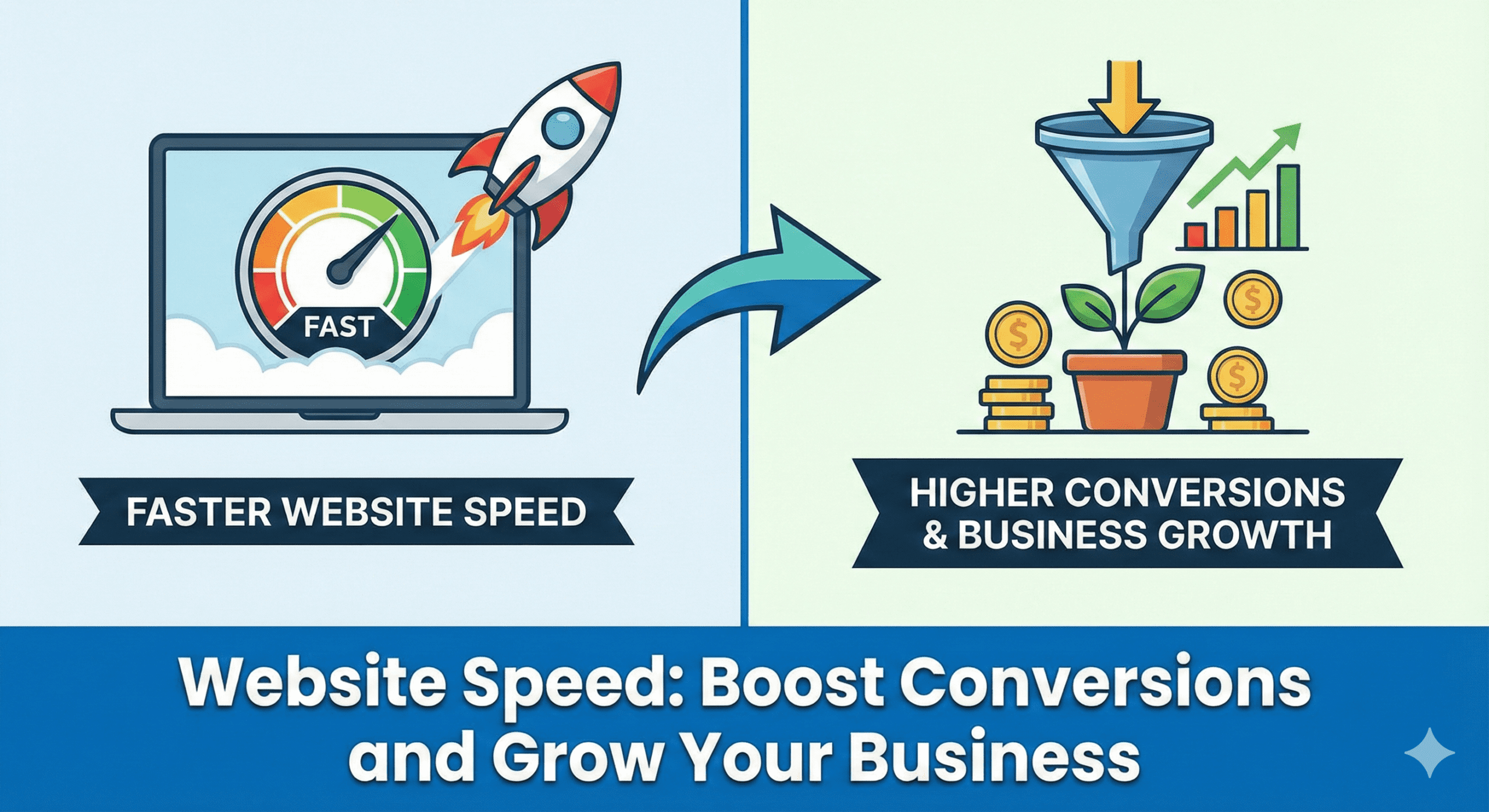
How Website Speed Directly Impacts Lead Conversion
In today’s fast-paced digital world, website speed is more critical than ever. It’s not just about providing a better user experience; it’s a direct factor in how effectively you can turn website visitors into valuable leads. A slow website can frustrate users, damage your brand reputation, and ultimately, kill your lead conversion rate.
The Immediate Impact of Slow Loading Times
Imagine a potential customer landing on your website, eager to learn about your product or service. But instead of a seamless experience, they’re met with a loading screen that seems to take forever. Studies show that nearly half of all web users expect a site to load in 2 seconds or less, and they tend to abandon a site that isn’t loaded within 3 seconds. Consequently, this creates huge lost lead conversion opportunities.
- Increased bounce rate
- Lower page views
- Decreased time on site
Why Website Speed Matters for Lead Generation
Fast website speed is essential for positive user experience, as a site that loads quickly keeps visitors engaged and reduces frustration. Furthermore, it keeps users exploring your content and interacting with your calls-to-action. Finally, it gives them the best chance of moving them further down your sales funnel. The quicker a user finds what they’re looking for, the more likely they are to convert.
Website Speed and SEO: A Winning Combination
Google prioritizes fast-loading websites in its search rankings. Therefore, improving your website speed can boost your SEO performance, driving more organic traffic to your site. More traffic means more opportunities to capture leads. This is a crucial strategy for maximizing lead conversion.
Testing Your Website Speed
Many tools can help you assess your website’s loading time. These include Google PageSpeed Insights, GTmetrix, and WebPageTest. These tools not only give you a speed score, but they also provide actionable insights on how to improve your site’s performance.
Identifying Bottlenecks
These tools highlight performance issues like large image sizes, render-blocking JavaScript, and unoptimized code. By identifying these bottlenecks, you can focus your optimization efforts where they’ll have the biggest impact.
Simple Strategies to Improve Website Speed
There are various ways to optimize website speed, ranging from simple fixes to more technical adjustments. Some effective strategies include:
- Optimize Images: Compress images without sacrificing quality to reduce file sizes.
- Enable Browser Caching: Allow browsers to store static content for faster loading on subsequent visits.
- Minify CSS and JavaScript: Reduce the size of your code files by removing unnecessary characters and whitespace.
- Choose a Fast Hosting Provider: A reliable hosting provider can significantly improve server response time.
- Use a Content Delivery Network (CDN): Distribute your website’s content across multiple servers to reduce latency for users in different locations.
Implementing a Mobile-First Approach
With the majority of internet users now accessing websites on mobile devices, optimizing your site for mobile speed is crucial. A mobile-first approach involves prioritizing mobile users’ experience, ensuring fast loading times and responsiveness on smartphones and tablets. This is critical for maximizing lead conversion, especially on mobile.
Conclusion: Faster Speed, Higher Conversions
Ultimately, website speed plays a pivotal role in lead conversion. By prioritizing website optimization and implementing the strategies outlined above, you can create a faster, more engaging user experience that drives results. Stop letting slow loading times cost you leads and start optimizing your website today.
Ready to boost your lead conversion rate? Contact us today for a free website speed audit and personalized optimization plan!
FAQ
Q: How does website speed affect lead conversion?
A: Slow websites frustrate users, leading to higher bounce rates and lower engagement, directly reducing lead conversion.
Q: What is a good website speed for lead conversion?
A: Aim for a website loading time of 2 seconds or less. Every extra second can significantly impact your lead conversion rate.
Q: How can I test my website speed?
A: Use tools like Google PageSpeed Insights, GTmetrix, and WebPageTest to measure your website’s loading time and identify areas for improvement.
Q: What are some common factors that slow down websites?
A: Common culprits include large image sizes, unoptimized code, slow hosting, and render-blocking JavaScript.
Q: Is website speed important for SEO?
A: Yes, Google considers website speed a ranking factor. Faster websites tend to rank higher in search results, leading to more organic traffic and increased chances of lead conversion.
Q: What does lead conversion mean for my business?
A: Lead conversion refers to turning website visitors into leads, and subsequently, customers. Higher lead conversion equals higher revenue and growth for your business.
Q: How can I improve my website speed on a budget?
A: Start by optimizing images, enabling browser caching, and minifying CSS and JavaScript. These are often free or low-cost solutions with a significant impact. Fix a Non-Performing Website | Proven Troubleshooting Guide