
Why Mobile-First Websites Are Mandatory for Lead Generation
In today’s digital landscape, ignoring mobile users is akin to closing your business doors to a significant portion of potential customers. Mobile-first websites are no longer just a recommendation; they are a necessity for effective lead generation. Let’s delve into why prioritizing mobile optimization is crucial for your business’s success.
The Mobile-First Imperative: Reach Your Audience Where They Are
Over half of all website traffic now originates from mobile devices. That means many of your potential customers are accessing your website on a phone or tablet. Ignoring these users by not having a mobile-friendly website is a massive oversight. A clunky, slow, or difficult-to-navigate site will frustrate users, sending them straight to your competitors.
Why Mobile-First Matters for User Experience
User experience (UX) is paramount. Mobile-first websites focus on creating an intuitive and enjoyable browsing experience on smaller screens. This involves optimizing images, simplifying navigation, and ensuring quick loading times. After all, happy visitors are more likely to convert into leads.
Mobile-First and SEO: A Winning Combination
Google prioritizes mobile-friendliness in its search rankings. This means websites that provide a seamless mobile experience are more likely to rank higher in search results, leading to increased visibility and organic traffic. Considering that organic traffic is a valuable source of leads, a mobile-first approach is not just about UX but also about SEO.
Optimizing for Mobile Search
Furthermore, think about how people search on mobile. They often use voice search and location-based queries. Optimizing your website for these mobile-specific search behaviors can significantly boost your visibility in local search results. For instance, ensure your Google My Business profile is accurate and optimized for mobile users.
Mobile-First Design Drives Lead Generation
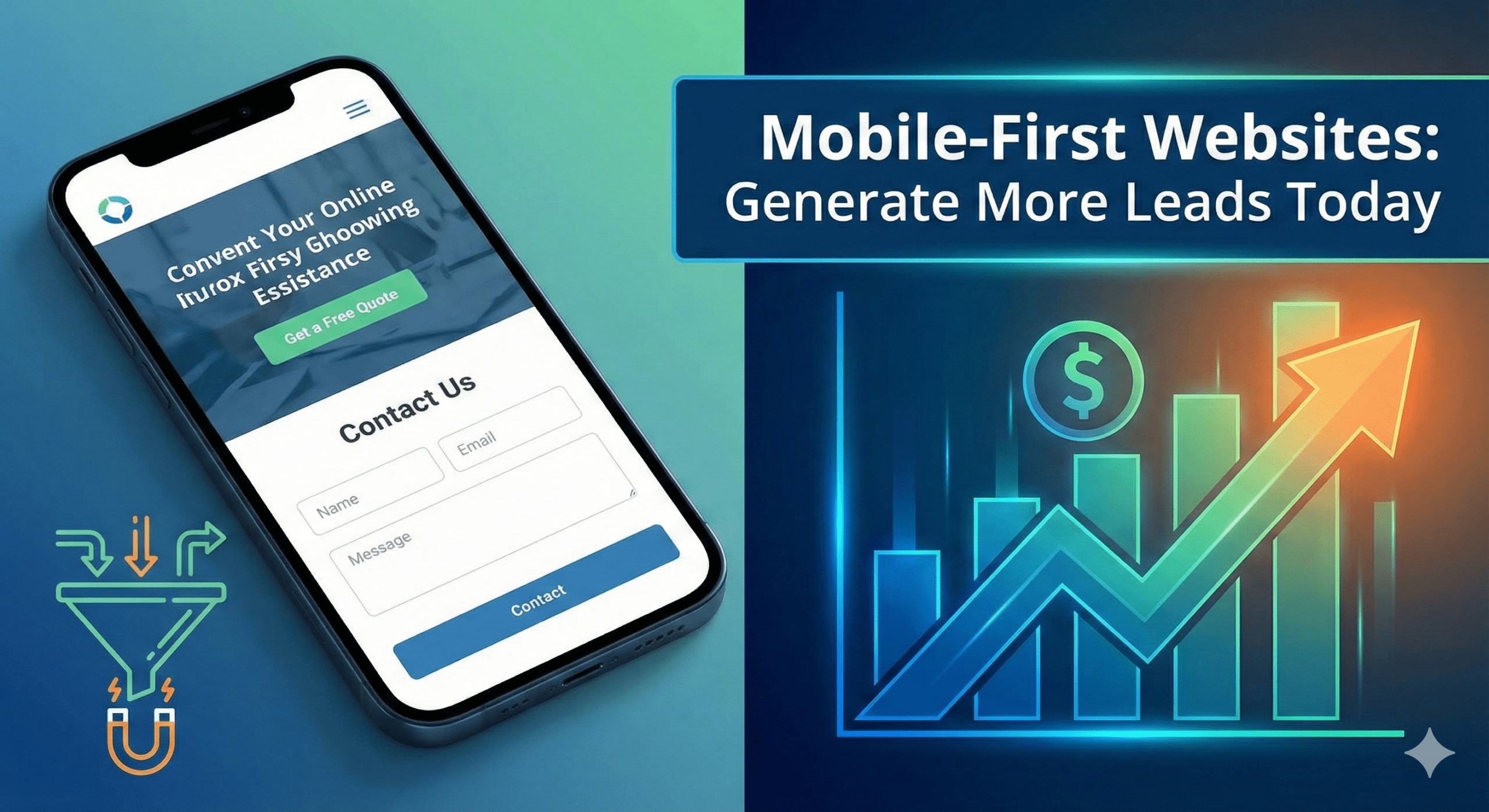
A well-designed mobile-first website can significantly improve your lead generation efforts. By providing a smooth and engaging experience, you can encourage visitors to take the desired actions, such as filling out a form, requesting a demo, or making a purchase.
Simplicity is Key on Mobile
Keep forms short and easy to fill out on smaller screens. Use clear and concise calls-to-action (CTAs) that are prominently displayed. Streamline the entire user journey to remove any friction that might deter visitors from converting.
The Impact on Conversions: From Visitor to Lead
Think of your website as your virtual storefront. If it’s difficult to find or navigate on mobile, potential customers will simply walk away. However, a mobile-first website ensures a positive first impression, encouraging visitors to explore your offerings and ultimately become valuable leads. A fast-loading site, clear navigation, and simple forms are critical for boosting conversion rates.
Mobile-First Website: Beyond Just Responsive Design
While responsive design is important, a true mobile-first websites approach goes beyond simply adapting to different screen sizes. It means designing specifically for mobile first, then scaling up for larger screens. This ensures that the mobile experience is not an afterthought but the primary focus.
FAQ: Answering Your Questions About Mobile-First Websites
Here are some frequently asked questions about the importance of mobile-first websites:
Take Action Now: Optimize for Mobile Lead Generation
Ultimately, mobile-first websites are not just a trend but a fundamental requirement for successful lead generation in today’s digital age. By prioritizing mobile users, you can improve user experience, boost SEO, and drive more conversions. Ready to transform your website into a lead-generating machine? Contact us today for a free consultation!