
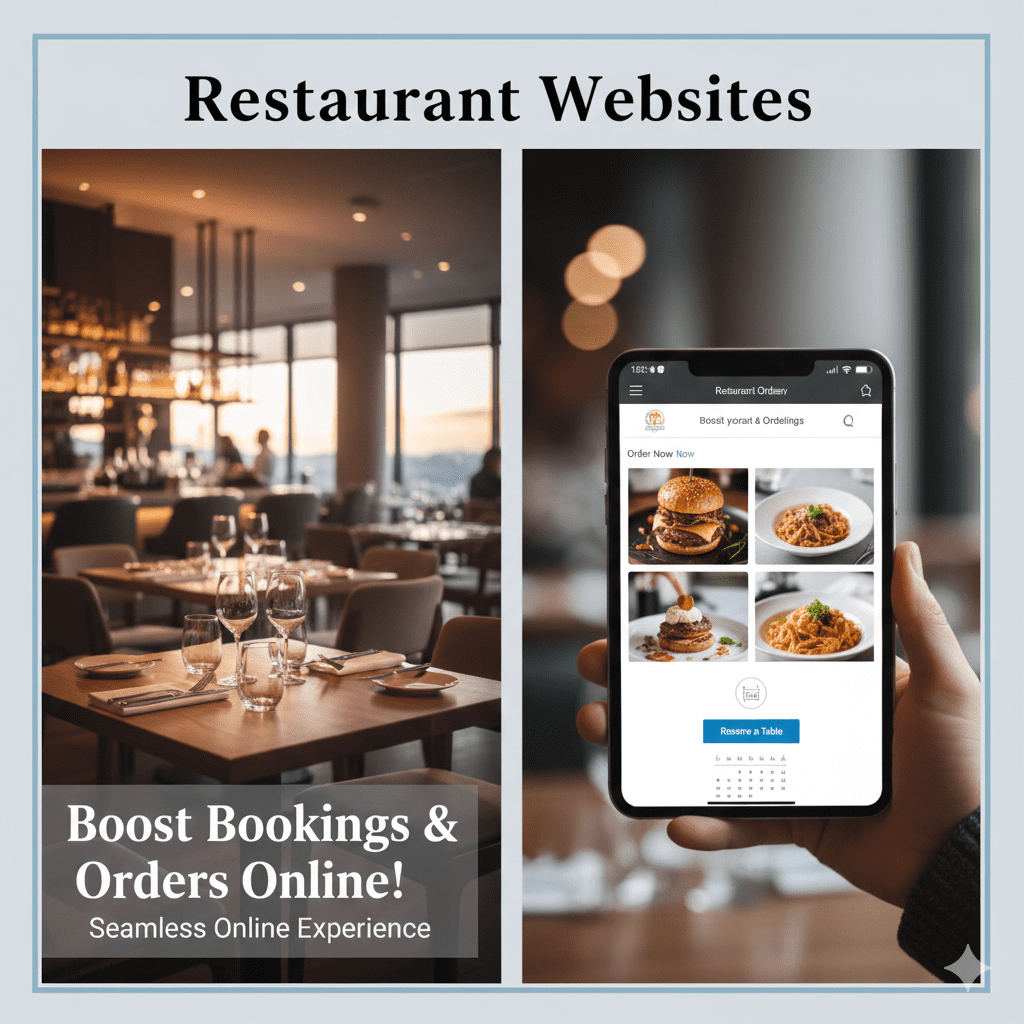
How Restaurant Websites Drive Table Bookings & Online Orders
In today’s digital age, restaurant websites are no longer just a luxury; they are a necessity for attracting customers and maximizing revenue. A well-designed and optimized website can significantly boost your table bookings and online orders, leading to increased profitability. This guide explores how to leverage your online presence to achieve these goals.
The Power of a User-Friendly Website
A restaurant’s website is often the first impression potential customers have of your establishment. Make it count! A user-friendly design is paramount. It should be easy to navigate, visually appealing, and, most importantly, mobile-responsive. Think about your user’s experience; is it easy to find key information like your menu, location, and contact details? If not, it’s time to make some changes.
Mobile Responsiveness is Crucial
More people than ever are using their smartphones to browse the internet. Therefore, ensuring your website is fully optimized for mobile devices is critical. A mobile-friendly site guarantees a seamless browsing experience, encouraging visitors to explore your menu and place orders, regardless of the device they are using.
Optimize Your Menu for Search Engines (Menu SEO)
Your menu is the centerpiece of your restaurant website. It’s essential to optimize it for search engines. Use descriptive names for your dishes, include relevant keywords (e.g., “vegan pasta,” “gluten-free pizza”), and provide detailed descriptions. This process, known as Menu SEO, helps search engines understand what you offer, boosting your website’s visibility in search results.
High-Quality Menu Photos
Use mouth-watering, high-resolution photos of your dishes. Visuals are key to enticing customers to order online. Consider hiring a professional food photographer to capture stunning images that will make your menu items irresistible.
Leverage Google Maps and Online Reviews
Your restaurant’s presence on Google Maps is essential for attracting local customers. Claim and optimize your Google My Business listing with accurate information, including your address, phone number, website, and opening hours. Encourage customers to leave positive reviews. Positive reviews increase credibility and can significantly influence potential diners to choose your restaurant. These reviews are critical for restaurant websites that want to succeed.
Responding to Reviews – Good and Bad
Actively respond to both positive and negative reviews. Thank customers for their positive feedback, and address any concerns raised in negative reviews. Showing that you value customer feedback can turn a negative experience into a positive one.
Streamline Table Booking Process
Make it easy for customers to book a table online. Integrate a user-friendly online reservation system into your website. This allows customers to check availability and book a table at their convenience. Confirmations and reminders can be automated to reduce no-shows.
Reducing No-Shows
Send automated email or SMS reminders to confirm bookings. This simple step can drastically reduce no-shows and maximize your seating capacity.
Promote Event & Catering Enquiries
If you offer event and catering services, make sure this is prominently displayed on your website. Create a dedicated page outlining your catering options, menus, and pricing. Include a contact form or phone number for customers to easily inquire about your services.
Showcasing Past Events
Include photos and testimonials from past events you have catered. This helps build trust and showcase your expertise.
Implement a Persuasive Call-to-Action
Throughout your website, strategically place clear and compelling calls-to-action (CTAs). Examples include “Book a Table Now,” “Order Online,” “View Our Menu,” and “Get a Catering Quote.” Make sure your CTAs are visually prominent and easy to click. They are essential components for ensuring your restaurant websites are successful.
Conclusion:
In conclusion, a well-optimized restaurant website is vital for driving table bookings and online orders. By focusing on user-friendly design, menu SEO, Google Maps optimization, streamlined booking processes, and persuasive calls-to-action, you can transform your website into a powerful marketing tool that attracts more customers and boosts your bottom line.
FAQ:
Call-to-Action:
Ready to transform your restaurant website into a booking and ordering powerhouse? Contact us today for a free consultation! Fitness Website Tips: Boost Membership Enquiries Now! Convert Browsers: Travel Website Booking Strategies